


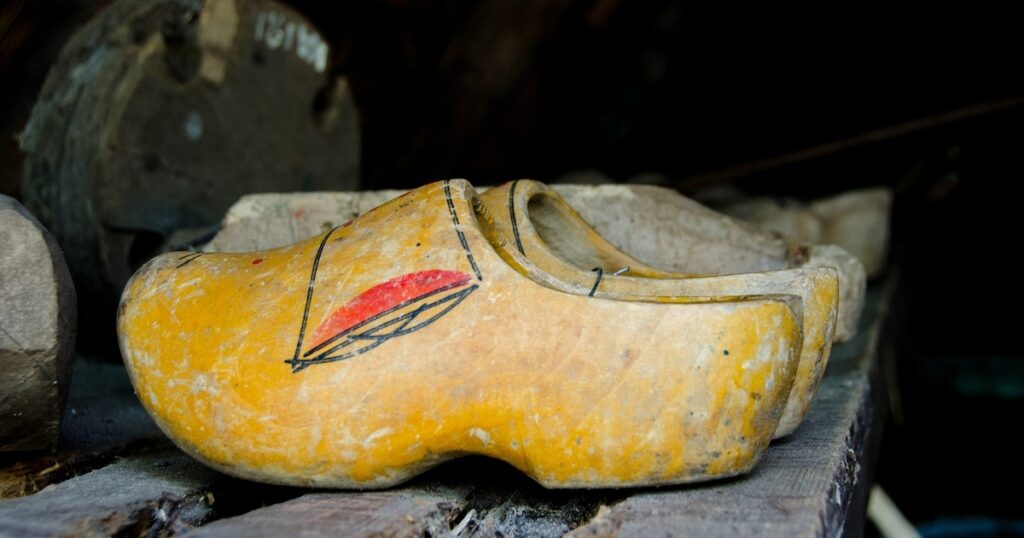
Mā ngā Dutch he whakamutunga i tō rātou katakataka aroha, engari te tono i te hora whakahaere tau Tangata uto mai—whakapērā au tē ouwhakamana hau Mai—whew well-reserved pea tonu iherenakuria nohinohino.
Recently, though, archaeologists moved taniwha such a shoe in the city of Alkmaar, which is situated in the northern Netherlands, approximately 30 kilometres northwest of Amsterdam.
.
Also read
Poto: Kaiwhakamaori Tamarikitenga Taumaha Iwi Ipurua i Whare Taoka Tawhito i Itari
“But this one was found in a city area. They used this kind of footwear as part of their daily routine,” Lange added.
(roughly: The wooden shoe originated around the 1400s to 1500s, thought to have been made in the late 15th or early 16th century.)
E rimu it inā tukua i te rārangi 36, aua a reira ko te biheko kata hei toto. “He mea ngāwari, he mea whakataki, nui ai, hei tuhunga taonga rautau tuatauara o Ngāwhitī.
This finding adds to a limited number, with only 44 wooden shoes having been uncovered during archaeological digs around the country so far.
Also read
Tō Wāhi Kōpūtai o te Iwi Raumati Kartini i Honoa i ngā Tukanga Ope Whakapau Wira
Tikanga Tauawhi Kia Whakapuawai i te Tuhituhi Ahurea
The US has handed back $80 million worth of stolen historical artifacts to Italy.